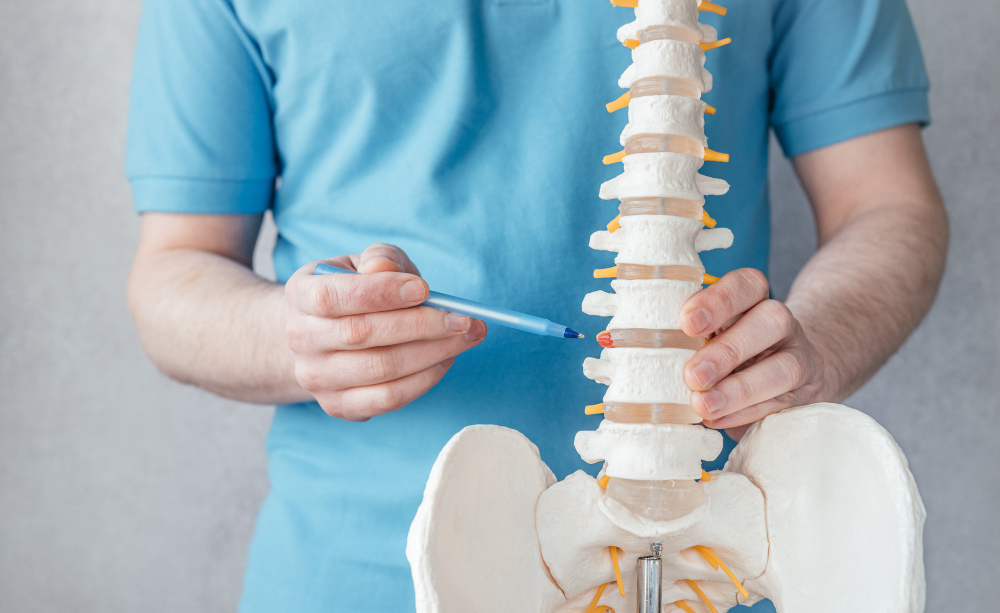
Spinal pain, encompassing discomfort in the cervical (neck), thoracic (mid-back), or lumbar (lower back) regions, is a prevalent issue affecting individuals worldwide. Understanding its causes, recognizing symptoms, and exploring effective treatment options are crucial steps toward achieving relief and maintaining a healthy spine.
Request an AppointmentCommon Causes of Spinal Pain
Several factors can contribute to spinal pain, including:
-
Muscle Strain: Overstretching or tearing of muscles or ligaments due to improper lifting, sudden movements, or overuse can lead to pain and stiffness.
-
Herniated Discs: When the soft inner material of a spinal disc protrudes through its outer layer, it can press on nearby nerves, causing pain, numbness, or weakness.
-
Degenerative Disc Disease: Age-related wear and tear on spinal discs can result in reduced cushioning between vertebrae, leading to pain and potential nerve compression.
-
Spinal Stenosis: Narrowing of the spinal canal can put pressure on the spinal cord and nerves, causing pain, tingling, or numbness, particularly in the lower back and legs.
-
Spondylolisthesis: This condition occurs when one vertebra slips forward over the one below it, potentially leading to nerve compression and back pain.
Recognizing Symptoms
Symptoms of spinal pain can vary based on the underlying cause and the affected region but commonly include:
-
Localized Pain: Aching or sharp pain in the neck, mid-back, or lower back.
-
Radiating Pain: Pain that extends from the back to other areas, such as the arms or legs, often due to nerve involvement.
-
Stiffness: Reduced flexibility and difficulty in moving the neck or back.
-
Neurological Symptoms: Numbness, tingling, or weakness in the extremities, indicating possible nerve compression.
Effective Treatment Options
Approaches to managing spinal pain depend on the specific cause and severity of the condition:
-
Conservative Treatments:
-
Physical Therapy: Tailored exercises and stretches can strengthen supporting muscles, improve flexibility, and alleviate pain.
-
Medications: Over-the-counter pain relievers, such as NSAIDs, can reduce inflammation and discomfort.
-
Lifestyle Modifications: Maintaining a healthy weight, practicing proper posture, and engaging in regular low-impact exercise can prevent further strain on the spine.
-
-
Interventional Procedures:
-
Epidural Steroid Injections: Administering corticosteroids near the affected nerves can provide temporary relief from inflammation and pain.
-
Nerve Blocks: Injecting anesthetic agents to interrupt pain signals from specific nerves.
-
-
Surgical Interventions:
-
Discectomy: Removal of a herniated disc portion to relieve nerve pressure.
-
Laminectomy: Removing part of the vertebra to enlarge the spinal canal and reduce nerve compression.
-
Spinal Fusion: Joining two or more vertebrae to stabilize the spine and alleviate pain from movement.
-
Preventive Measures
To minimize the risk of developing spinal pain:
-
Exercise Regularly: Engage in activities that strengthen the core muscles supporting the spine.
-
Maintain Proper Posture: Ensure correct alignment while sitting, standing, and lifting objects.
-
Use Ergonomic Equipment: Optimize workspaces to support a neutral spine position.
-
Avoid Prolonged Inactivity: Incorporate movement into daily routines to prevent stiffness and muscle weakening.
Understanding the multifaceted nature of spinal pain is essential for effective management and prevention. By recognizing symptoms early and adopting appropriate treatment strategies, individuals can enhance their quality of life and maintain spinal health.